
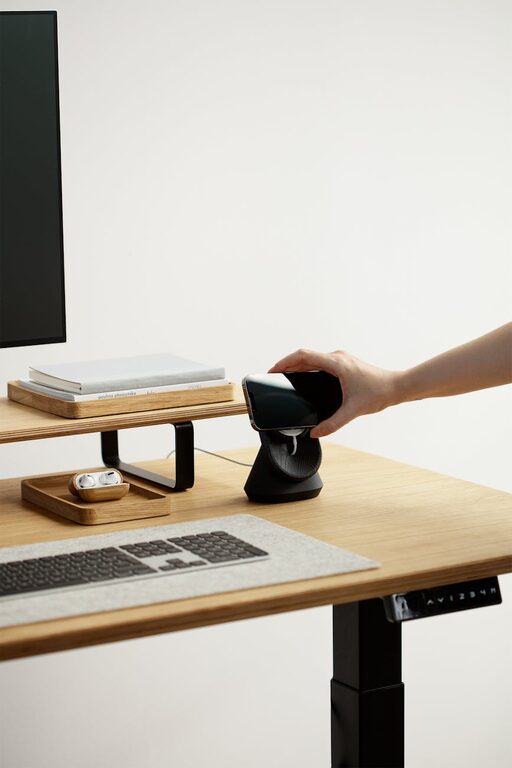
Creating a relaxing home office environment is essential for maintaining focus, productivity, and well-being during your workday. Whether you work remotely full-time or occasionally need a peaceful spot to tackle tasks, your workspace should inspire calm and minimize distractions. Here are practical tips to help you design a home office that feels inviting, comfortable, and conducive to getting work done.
Choose the Right Location
The foundation of a relaxing home office starts with selecting the best spot in your home.
– Natural Light: Aim for a room or corner with plenty of natural light. Sunlight boosts mood and energy, making it easier to stay alert.
– Quiet Area: Pick a space away from busy parts of your home or noisy streets to reduce interruptions.
– Separate from Leisure: Avoid working from your bed or couch, if possible, to maintain clear boundaries between work and relaxation.
Invest in Comfortable and Supportive Furniture
Comfort plays a big role in how relaxed you feel during work hours.
– Ergonomic Chair: Select a chair that supports your lower back and encourages good posture. Adjustable height and armrests add to comfort.
– Desk Size: Use a desk that fits your work essentials without feeling cramped, allowing you to spread out materials comfortably.
– Footrest or Cushion: Adding a footrest or seat cushion can enhance comfort, especially for long periods of sitting.
Organize Your Workspace
A clutter-free environment helps reduce stress and improves focus.
– Declutter Regularly: Keep only what you need daily on your desk. Store other items in drawers or shelves.
– Use Storage Solutions: Invest in organizers like trays, drawers, or filing cabinets to keep supplies tidy.
– Cable Management: Use clips, sleeves, or ties to keep cords neat and prevent tangling.
Incorporate Calming Colors and Decor
Colors and decor can influence mood, so choose elements that promote relaxation.
– Soft Colors: Light blues, greens, or neutral tones foster calmness.
– Personal Touches: Add artwork, plants, or photos that make you feel happy and inspired without overwhelming the space.
– Minimal Distractions: Avoid overly busy patterns or cluttered walls that may disrupt your concentration.
Add Natural Elements
Bringing nature indoors can have restorative effects.
– Plants: Small potted plants or succulents improve air quality and add a refreshing touch.
– Natural Materials: Use wood, stone, or woven baskets in your furniture or accessories for a warm feel.
– Fresh Air: If possible, open a window periodically to let in fresh air.
Optimize Lighting
Good lighting reduces eye strain and supports alertness.
– Layered Lighting: Combine natural light with ambient (overhead) and task lighting (desk lamps) to create a balanced environment.
– Adjustable Lamps: Use lamps with adjustable brightness or direction to focus light where needed.
– Avoid Glare: Position your monitor and lights to minimize screen glare.
Set Boundaries and Routines
Creating mental boundaries helps maintain a work-life balance which contributes to relaxation.
– Defined Hours: Establish regular work hours to avoid burnout.
– Break Space: Take breaks away from your desk to stretch or relax.
– End-of-Day Ritual: Close your laptop and clear your desk at day’s end to signal a break from work.
Incorporate Calming Sounds or Silence
Sound influences your ability to focus and relax.
– White Noise or Nature Sounds: Consider playing soft ambient sounds to mask distracting noises.
– Noise-Canceling Headphones: Use these if noise is an issue in your environment.
– Silence Zones: If possible, create or designate a quiet space free from interruptions.
Maintain Good Air Quality and Comfort
Physical comfort impacts your ability to relax and stay productive.
– Ventilation: Ensure your workspace is well-ventilated.
– Temperature Control: Maintain a comfortable temperature with fans, heaters, or air conditioning as needed.
– Cleanliness: Regularly dust and clean your area to keep a fresh and healthy space.
Final Thoughts
Designing a relaxing home office is about combining comfort, organization, and personal touches to create a space where you enjoy spending time and can focus without stress. By selecting the right location, investing in ergonomic furniture, organizing effectively, and incorporating soothing colors and natural elements, your home office can become a haven for productivity and peace. Remember to set boundaries and pay attention to lighting, sound, and air quality to support your overall well-being while working from home.
With these tips, you’ll be well on your way to crafting a home office environment that makes working at home a more enjoyable and calming experience.