
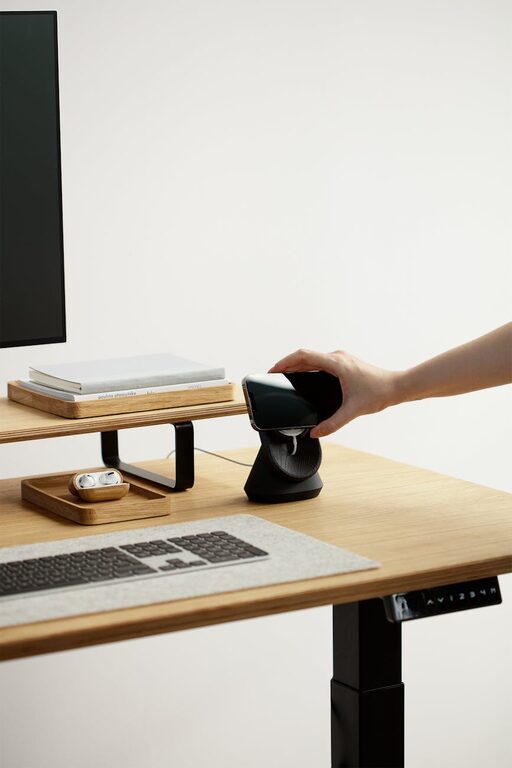
Creating a home workspace that feels both cozy and functional can significantly enhance your productivity and overall well-being. Whether you work from home full-time or occasionally need a dedicated spot for focused activities, your environment plays a key role in how well you perform and enjoy your time. Here are some helpful tips to design a space that balances comfort and efficiency.
Choose the Right Location
Consider natural light
Select a spot in your home that receives plenty of natural light if possible. Natural light improves mood and reduces eye strain, which is crucial for long working hours. Position your desk near a window, but to avoid screen glare, try placing your computer perpendicular to the window.
Minimize distractions
Look for a quiet corner or room where you can work without frequent interruptions. If privacy is limited, consider using room dividers, curtains, or noise-cancelling headphones to create a more focused environment.
Invest in Comfortable Furniture
Ergonomic chair and desk
A comfortable and supportive chair is essential to prevent back and neck pain. Choose a desk at the right height so your elbows form a 90-degree angle when typing, promoting better posture. Adjustable furniture allows you to customize your setup for maximum comfort.
Add soft furnishings
Incorporate cushions, rugs, or throw blankets to add warmth and texture. These items not only create a cozy vibe but also help reduce noise and make the space inviting.
Organize Efficiently
Declutter your desk
Keep only essential items on your desk to maintain a clean, distraction-free area. Use trays, drawers, or organizers to store pens, notes, and other supplies neatly.
Use smart storage solutions
Shelves, filing cabinets, or wall-mounted organizers free up desktop space and keep important documents within reach. Label boxes or folders for easy identification and retrieval.
Optimize Lighting
Use layered lighting
Combine ambient, task, and accent lighting for a well-lit workspace. Desk lamps with adjustable brightness are ideal for focused tasks, while soft overhead lighting creates a welcoming atmosphere.
Choose warm light bulbs
Warm or neutral white bulbs tend to be easier on the eyes and contribute to a cozy environment, as opposed to harsh, bright lights.
Personalize Your Space
Add plants
Indoor plants bring life and freshness to your workspace. They can improve air quality and add a calming effect, reducing stress during busy workdays.
Display inspiring items
Incorporate artwork, photos, or motivational quotes that make you feel happy and inspired. Personal touches can increase your attachment to the space and make working more enjoyable.
Incorporate Technology Thoughtfully
Manage cables
Use cable organizers or clips to keep cords tidy and prevent tangling. A clutter-free tech setup reduces frustration and improves aesthetics.
Choose suitable devices
Select monitors, keyboards, and other tech accessories that enhance comfort and productivity. For example, a larger monitor can decrease eye strain, while a wireless keyboard reduces clutter.
Take Breaks Within Your Workspace
Create a mini relaxation corner
If space allows, set aside a small area with a comfortable chair or cushion where you can take short breaks, stretch, or meditate. This helps refresh your mind and body without leaving your workspace.
Use timers or reminders
Set alarms or use apps that remind you to stretch or rest your eyes regularly. Taking breaks helps maintain focus and reduces the risk of fatigue.
Maintain Cleanliness Regularly
Develop a cleaning routine
Wipe surfaces, dust shelves, and vacuum your workspace weekly to keep the area fresh. Cleanliness promotes a pleasant and healthy environment that encourages productivity.
Dispose of unnecessary items
Frequently go through your files and supplies to discard or recycle what you no longer need, preventing clutter from building up.
—
By combining thoughtful furniture choices, organized storage, good lighting, and personal touches, you can create a home workspace that feels both comfortable and highly functional. Remember, your workspace should reflect your needs and preferences, supporting both productivity and well-being throughout your day.