
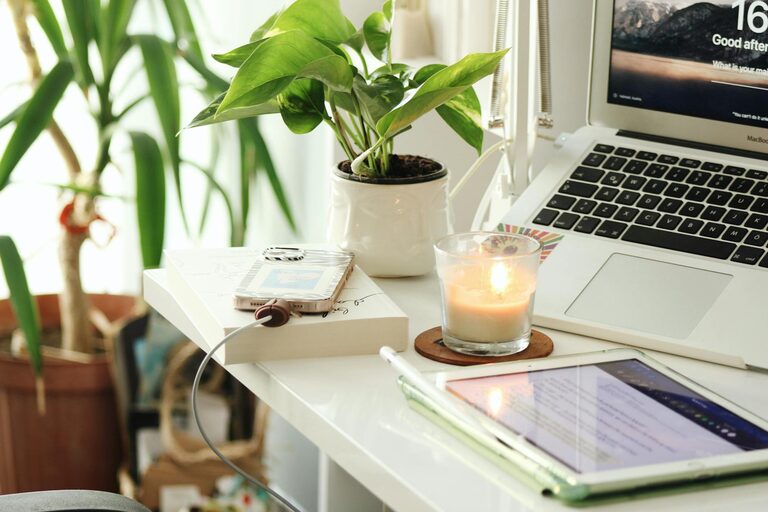
Creating a home office that feels both cozy and productive can transform the way you work and help you stay focused throughout the day. With many people working remotely or freelancing, having a dedicated and well-organized space to get work done is essential. In this post, we’ll explore helpful tips on how to set up a home office that promotes efficiency without sacrificing comfort.
Find the Right Spot
Choosing the right location is the first step toward a functional home office. Depending on your living situation, this could be a spare room, a corner of the living room, or even a quiet nook.
– Consider natural light. A workspace near a window can boost mood and reduce eye strain.
– Minimize distractions. Try to find a spot away from noisy areas or where family members often gather.
– Think about space. Make sure you have enough room for your desk, chair, and any equipment or storage you need.
Invest in Comfortable and Ergonomic Furniture
Comfort plays a big role in productivity. An uncomfortable chair or awkward desk setup can lead to fatigue and lower focus.
– Ergonomic chair: Choose a chair with good lumbar support and adjustable height.
– Desk height: Your desk should allow your forearms to be parallel to the floor while typing.
– Footrest: If your feet don’t touch the floor comfortably, consider a footrest to improve posture.
– Adjustable setups: Standing desks or convertible workstations can offer movement options throughout the day.
Organize Your Space
Clutter can be distracting and stressful. Keeping your home office neat will help you maintain focus.
– Use storage solutions: Shelves, filing cabinets, and drawer organizers can keep papers and supplies tidy.
– Cable management: Use clips or cable boxes to keep wires organized and out of sight.
– Minimal decor: Limit decorations to a few inspiring items to avoid visual clutter.
Lighting Matters
Proper lighting prevents eye strain and enhances concentration.
– Natural light: Position your desk so natural light illuminates your workspace without causing glare on screens.
– Task lighting: Desk lamps with adjustable brightness can help during late hours or dim days.
– Ambient lighting: Soft overhead lights create a warm atmosphere that supports relaxation.
Personalize Your Workspace
Adding personal touches makes your office feel inviting and motivating.
– Plants: Indoor plants improve air quality and add a sense of calm.
– Artwork: Choose calming or inspiring prints that reflect your taste.
– Comfort items: A cozy blanket, a favorite mug, or a small cushion can enhance comfort.
Minimize Noise and Distractions
Maintaining focus often means managing noise effectively.
– Noise-canceling headphones: A great tool for blocking unwanted sounds.
– White noise machines or apps: These can mask background noise.
– Clear boundaries: If you live with others, communicate your work schedule to reduce interruptions.
Set Up Technology Thoughtfully
Technology is essential for most home offices, but it needs to be organized and reliable.
– High-speed internet: Ensure your connection supports video calls and downloads without lag.
– Multiple monitors: If your work involves multitasking, extra screens can increase efficiency.
– Charging stations: Keep device chargers organized and accessible.
Establish Work Routines
A productive workspace is enhanced by good habits.
– Start and end times: Stick to regular work hours to create balance.
– Break reminders: Use timers or apps to take short breaks and stretch.
– Designated zones: If space allows, designate separate areas for focused work and quick tasks or meetings.
Maintain Air Quality and Comfort
A comfortable temperature and fresh air improve well-being.
– Ventilation: Open windows or use air purifiers for fresh air.
– Temperature control: Use fans or heaters as needed to maintain a pleasant environment.
Keep It Flexible
Your needs may change, so design your home office with flexibility in mind.
– Mobile furniture: Consider desks or chairs on wheels.
– Adjustable shelving: Allows for changes in storage needs.
– Multipurpose use: In smaller spaces, choose furniture that can be used for work and other activities.
—
With these tips, you can create a home office space that feels welcoming and supports your productivity. Remember, the best workspace is one tailored to your needs and preferences, where comfort and functionality come together. Happy decorating and happy working!