
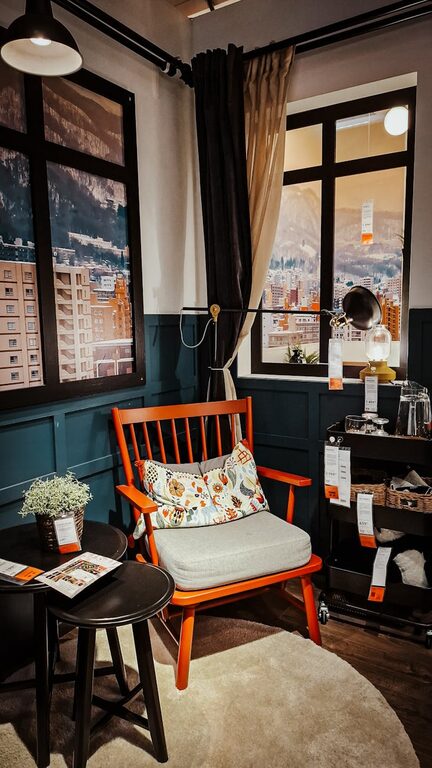
Creating a relaxing home environment is a wonderful way to promote peace and comfort after a busy day. You don’t need a major renovation or expensive purchases to make your space feel more serene. Simple decor changes can have a big impact on the overall mood of your home. Here are some practical tips to help you design a calming and inviting atmosphere with ease.
1. Choose Soothing Colors
Colors play a huge role in setting the tone of any room. Soft, neutral tones like beige, soft gray, pastels, or gentle greens and blues tend to create a peaceful vibe. These colors are less stimulating and help your mind unwind.
– Use light-colored paint on walls or add soft-colored accessories such as cushions, throws, or curtains.
– Avoid overly bright or loud colors in spaces where relaxation is your goal.
2. Declutter and Simplify
A cluttered space can cause unnecessary stress and make it hard to relax. Simplifying your rooms doesn’t mean removing everything but organizing and keeping only what’s needed.
– Use storage baskets, boxes, or shelves to keep items tidy.
– Remove excess furniture to create a more open space.
– Keep surfaces like tables and counters clear of unnecessary objects.
3. Bring Nature Indoors
Natural elements have a calming effect and help create a soothing environment.
– Add houseplants like snake plant, pothos, or peace lilies which are easy to care for.
– Display natural materials such as wooden bowls, stone objects, or woven baskets.
– Use floral or botanical prints for cushions, rugs, or wall art.
4. Use Soft Textiles
Texture adds warmth and coziness, key ingredients for a relaxing room.
– Layer your seating areas with soft throws and cushions.
– Add rugs made from natural fibers like wool or cotton for added comfort.
– Choose curtains that flow gently and filter natural light.
5. Optimize Lighting
The right lighting can transform the mood instantly.
– Maximize natural light during the day by opening curtains or blinds.
– Use warm-toned bulbs in lamps instead of harsh white light.
– Incorporate multiple light sources like table lamps, floor lamps, and candles to create a soft and inviting glow.
6. Incorporate Calming Scents
Gentle scents can enhance relaxation and make your home feel cozy.
– Use essential oil diffusers with relaxing scents like lavender, chamomile, or eucalyptus.
– Light scented candles with natural fragrances.
– Keep fresh flowers or herbs like mint or rosemary for a subtle aroma.
7. Personalize Your Space
A home feels most relaxing when it reflects your personality and preferences.
– Display photos or artwork that bring you joy.
– Create a cozy reading nook with your favorite books.
– Include items that have sentimental value but avoid overcrowding.
8. Maintain Comfortable Temperature and Air Quality
Physical comfort supports mental relaxation.
– Use fans or humidifiers if the air feels dry or stuffy.
– Keep your home at a comfortable temperature.
– Regularly open windows to refresh the air and bring in a breeze.
9. Incorporate Minimalist Decor Elements
Less can be more when designing for relaxation.
– Choose decor pieces with simple, clean lines.
– Avoid overly ornate or busy patterns.
– Balance open space with tasteful décor to avoid sensory overload.
10. Create Dedicated Relaxation Zones
Designate areas in your home specifically for unwinding.
– Set up a meditation or yoga corner with cushions and a soft rug.
– Arrange comfortable seating by a window or near plants.
– Use room dividers or curtains to separate peaceful zones from more active areas.
Final Thoughts
Small changes can make a big difference in how your home feels. By choosing calming colors, reducing clutter, and adding natural elements, you can create a tranquil space that helps you recharge. Remember, the goal is to make your home a place where you feel peaceful and comfortable every day. Start with one or two tips above and watch your living space transform into your personal sanctuary.